How Smart Contracts Work and Why They’re Important

Smart contracts represent a significant advancement in digital agreements, functioning autonomously on blockchain technology. These self-executing contracts operate based on predetermined conditions, which triggers automatic execution without human intervention. Their design aims to enhance transaction efficiency and reduce reliance on intermediaries. However, the implications of this technology extend beyond mere automation. A deeper exploration reveals how smart contracts can reshape industries and redefine trust in digital transactions. What remains to be seen is their full potential in various applications.
Understanding the Basics of Smart Contracts
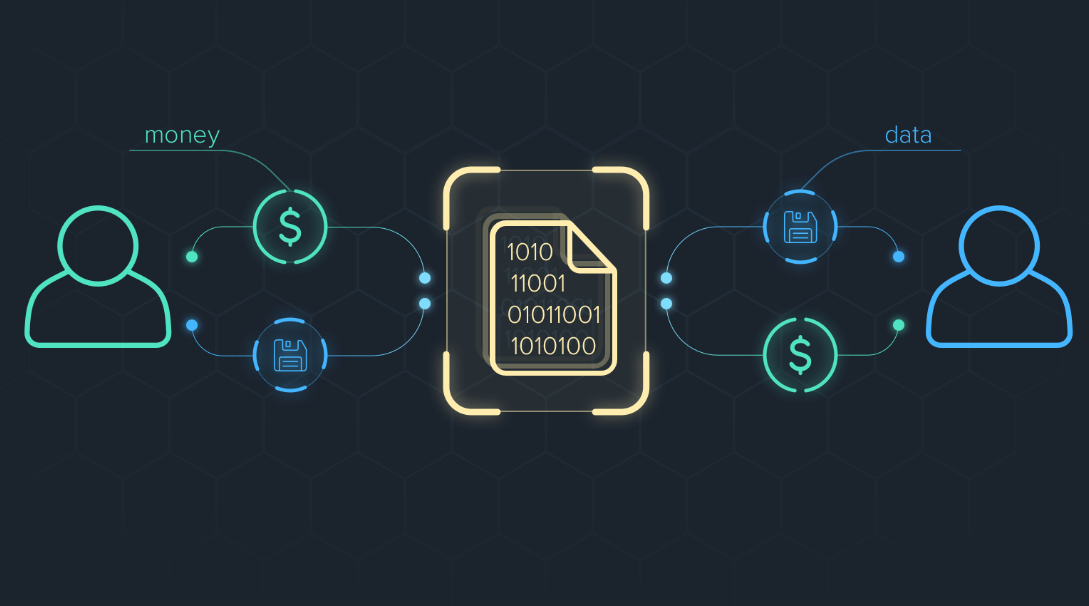
Smart contracts are self-executing contracts with the terms of the agreement directly written into code, functioning on blockchain technology.
These digital agreements challenge traditional contract definitions by automating enforcement and execution.
The legal implications are profound, as they may redefine accountability and trust in transactions, empowering individuals with greater autonomy and freedom from intermediaries.
However, they also raise questions about regulatory frameworks and dispute resolution.
See also: How Robots Are Assisting in Healthcare and Surgery
The Mechanics of Smart Contracts: How They Function
Although they operate on decentralized networks, the functionality of smart contracts relies heavily on their underlying code, which specifies the rules and conditions of the agreement.
During contract execution, the code is executed automatically upon meeting predefined criteria.
Code verification ensures that the contract operates as intended, minimizing errors and enhancing trust, thereby facilitating a seamless and efficient transaction process within the network.
Key Benefits of Using Smart Contracts
The underlying code of smart contracts not only dictates their operation but also contributes to a range of significant advantages that enhance transaction efficiency and security.
Key benefits include cost efficiency through reduced administrative overhead and minimized third-party involvement.
Additionally, trust reduction is achieved as the immutable nature of blockchain ensures transparency, fostering confidence among participants without relying on centralized authorities or intermediaries.
Real-World Applications and Future Potential of Smart Contracts
How can the innovative framework of smart contracts reshape various industries?
By automating processes in supply chain management, enhancing the security of legal agreements, and facilitating seamless financial transactions, smart contracts hold immense potential.
They can streamline insurance claims, simplify real estate transactions, secure healthcare records, and improve voting systems, while ensuring digital identity is protected, fostering trust and efficiency in numerous applications.
Conclusion
In conclusion, smart contracts represent a transformative force in digital transactions, characterized by their self-executing nature and reliance on blockchain technology. With over 80% of businesses considering the implementation of smart contracts by 2025, their potential to enhance efficiency and reduce costs is becoming increasingly recognized. This statistic underscores the growing confidence in decentralized solutions, signaling a shift towards more secure, transparent, and accountable transaction frameworks across various industries in the digital landscape.