
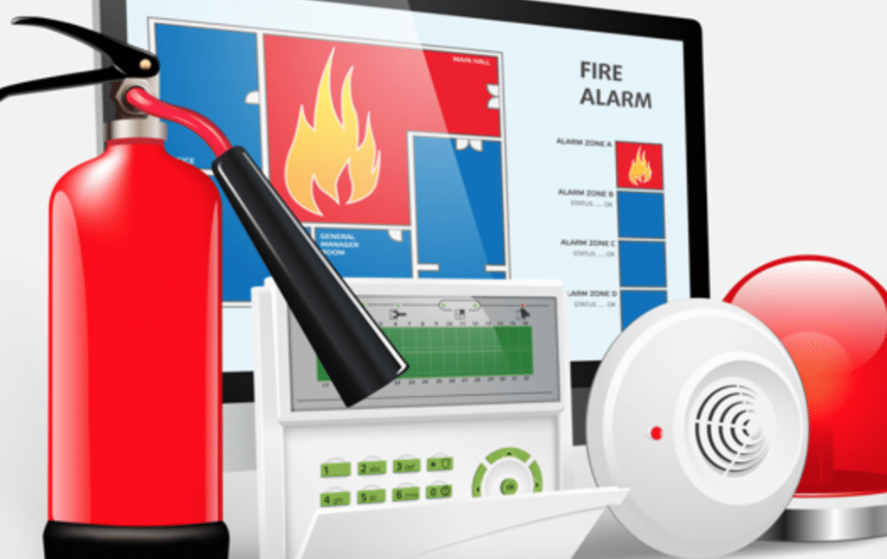
Fire Risk Assessment: A Complete Approach to Fire Safety

Fire poses one of the most serious threats to life, property, and business continuity. A Fire Risk Assessment is an essential tool that helps organizations identify fire hazards, assess risks, and implement measures to prevent fire-related incidents. By proactively addressing fire safety, businesses and organizations can protect their employees, visitors, and assets while ensuring compliance with safety regulations.
Understanding Fire Risk Assessment
A Fire Risk Assessment is a structured evaluation of a building, workplace, or facility to identify fire hazards, assess the likelihood and potential impact of a fire, and implement appropriate control measures. It is a continuous process that requires regular review and updates to adapt to changes in the environment, equipment, or personnel.
Why Fire Risk Assessment is Crucial
The importance of fire risk assessments cannot be overstated:
- Protecting Lives: The foremost purpose is to safeguard the lives of employees, visitors, and contractors.
- Minimizing Property Damage: Fires can destroy buildings, equipment, and valuable assets. Proper assessment reduces these risks.
- Legal Compliance: Conducting a documented fire risk assessment is often a legal requirement in many countries.
- Ensuring Business Continuity: Preventing fires helps maintain operations and reduces financial losses.
- Supporting Insurance Requirements: Insurers often require fire risk assessments as part of policy conditions.
See also: Techabbey: Explore Latest Tech Trends at TechAbbey
Steps to Conduct a Fire Risk Assessment
A thorough Fire Risk Assessment follows a step-by-step approach:
1. Identify Fire Hazards
The first step is to identify potential sources of fire, which may include:
- Electrical appliances and faulty wiring
- Flammable liquids, gases, and chemicals
- Combustible materials such as paper, fabric, and wood
- Cooking appliances, heaters, and open flames
2. Identify People at Risk
Determine who might be affected if a fire occurs. This includes:
- Employees and staff members
- Visitors and clients
- Contractors and maintenance personnel
- Individuals with disabilities, elderly people, or children
3. Evaluate the Risks
Assess the likelihood of a fire occurring and the potential impact on people and property. Based on this evaluation, determine the necessary control measures, such as:
- Installing smoke detectors and fire alarms
- Providing fire extinguishers and suppression systems
- Ensuring clear and accessible emergency exits
- Proper storage and handling of flammable materials
4. Record Findings
Document all findings in a fire risk assessment report. This should include:
- Identified fire hazards
- Individuals at risk
- Control measures already in place
- Recommendations for improvement
Maintaining this record is essential for legal compliance and future reviews.
5. Review and Update
Fire risk assessments are not static. They should be reviewed and updated regularly or whenever changes occur, such as:
- Renovations or structural modifications
- Introduction of new equipment, chemicals, or processes
- Changes in personnel or occupancy
- Updates in fire safety regulations
- Following any fire-related incident or near-miss
Key Fire Safety Measures
After conducting a fire risk assessment, organizations should implement appropriate safety measures:
- Fire detection systems, including smoke and heat alarms
- Fire suppression systems like sprinklers and extinguishers
- Clearly marked and unobstructed emergency exits
- Regular staff training and fire drills
- Safe storage and handling of flammable materials
- Maintenance of electrical systems and fire safety equipment
Benefits of Fire Risk Assessment
A well-executed fire risk assessment provides multiple advantages:
- Reduces the likelihood of fire incidents
- Protects lives and minimizes injuries
- Limits damage to property and equipment
- Ensures compliance with legal and regulatory requirements
- Enhances preparedness for emergencies
- Promotes a culture of safety and awareness within the organization
Conclusion
A Fire Risk Assessment is a vital component of workplace and building safety. By identifying hazards, assessing risks, and implementing effective preventive measures, organizations can protect people, property, and operations. Regular reviews, staff training, and a proactive approach to fire safety ensure a secure environment for everyone. Conducting a fire risk assessment is more than just a regulatory requirement; it is a critical responsibility that safeguards lives and secures the future of the organization.